
THE RESEARCH INSTITUTE AT CROW CANYON
Archaeology for the Twenty-First Century
The Crow Canyon Archaeological Center acknowledges the Pueblo, Ute, Paiute, Diné (Navajo), and Jicarilla Apache people on whose traditional homelands this institution sits. Our mission would not be possible without Indigenous people in the past, present, and future. We respectfully recognize, and honor, ancestral and descendant Indigenous communities for their contributions to all humankind. We bring light into the darkness of memory that these lands, waters, wildlife, and her descendants hold as a result of polices of removal, genocide, and displacement. We hold the disciplines of anthropology and archaeology and our organization accountable by taking a critical approach to our work that allows for difficult discourse and shifts our efforts to be inclusive, restorative, and just.
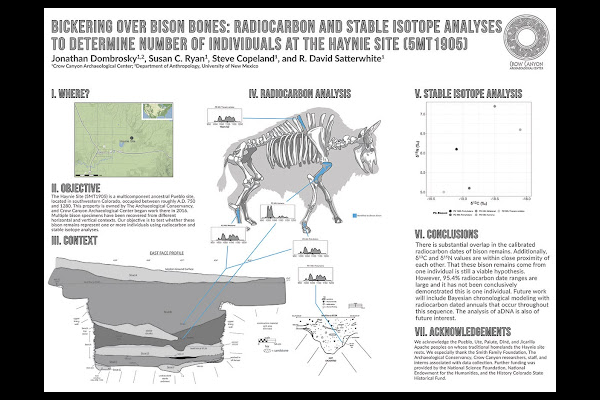
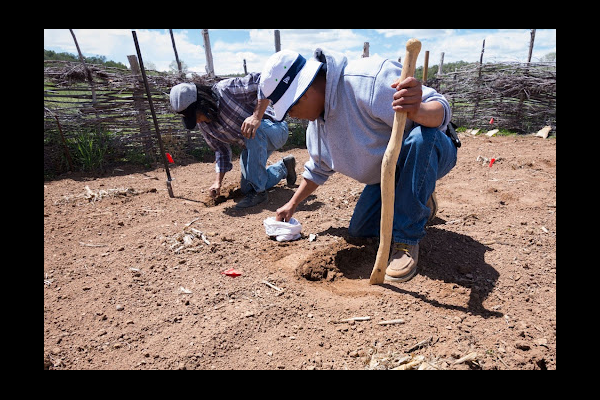
The primary goal of the Research Institute is to conduct relevant, impactful, and ethical research by engaging in collaborative, multi-vocal, and multi-disciplinary projects and programs.
The Institute’s initiatives expand Crow Canyon’s impact in all three mission areas. Researchers, collaborators, and associates engage with more than a millennium of data to shed light on our shared humanity.
RESEARCH INSTITUTE PROJECTS
Collaborative. Multidisciplinary. Relevant.
Research Photo Database
Featured Project
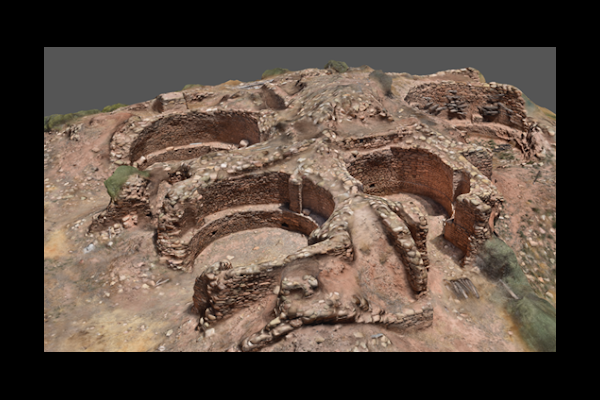
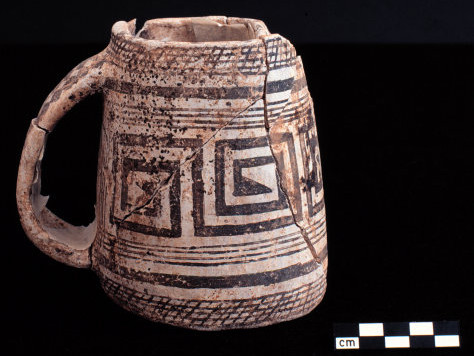
This photo database contains thousands of carefully curated images that document archaeological research, offering a deeper visual connection to past landscapes, structures, and cultural belongings.
Archaeological Research Database
Featured Project
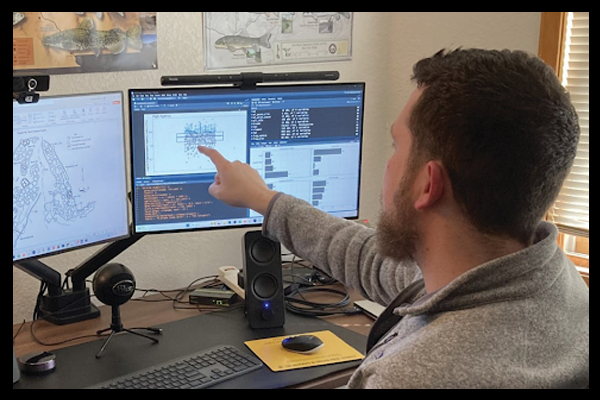
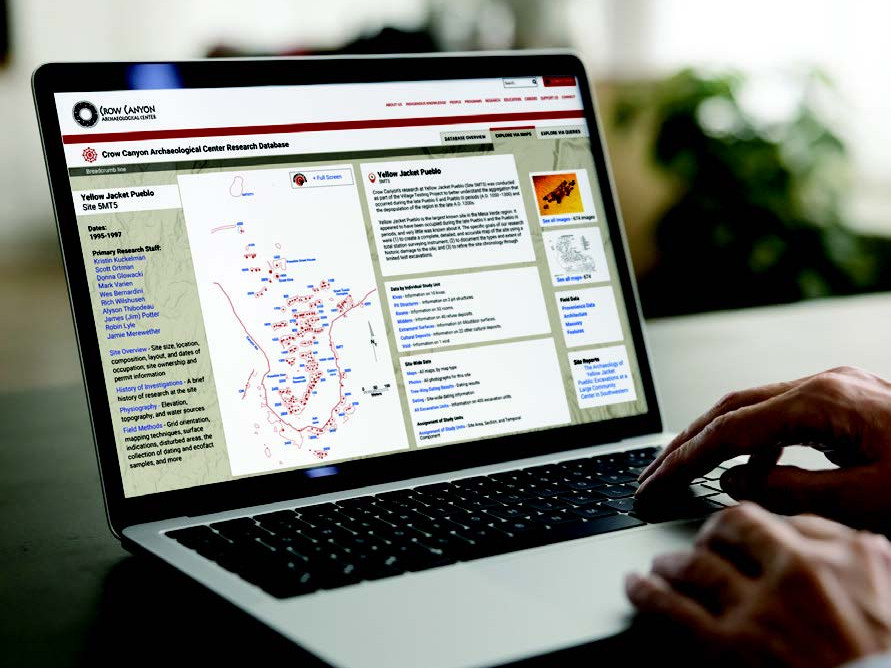
Access one of the largest archaeological databases in North America. Crow Canyon’s Archaeological Research Database is an extensive collection of field and laboratory data generated as a result of the Center’s ongoing research into Indigenous cultures.
The database currently contains information of numerous archaeological sites in southwestern Colorado and southeastern Utah.
The database connects users to information (field data, analyses data, maps, and photographs) for individual sites or for multiple sites simultaneously.
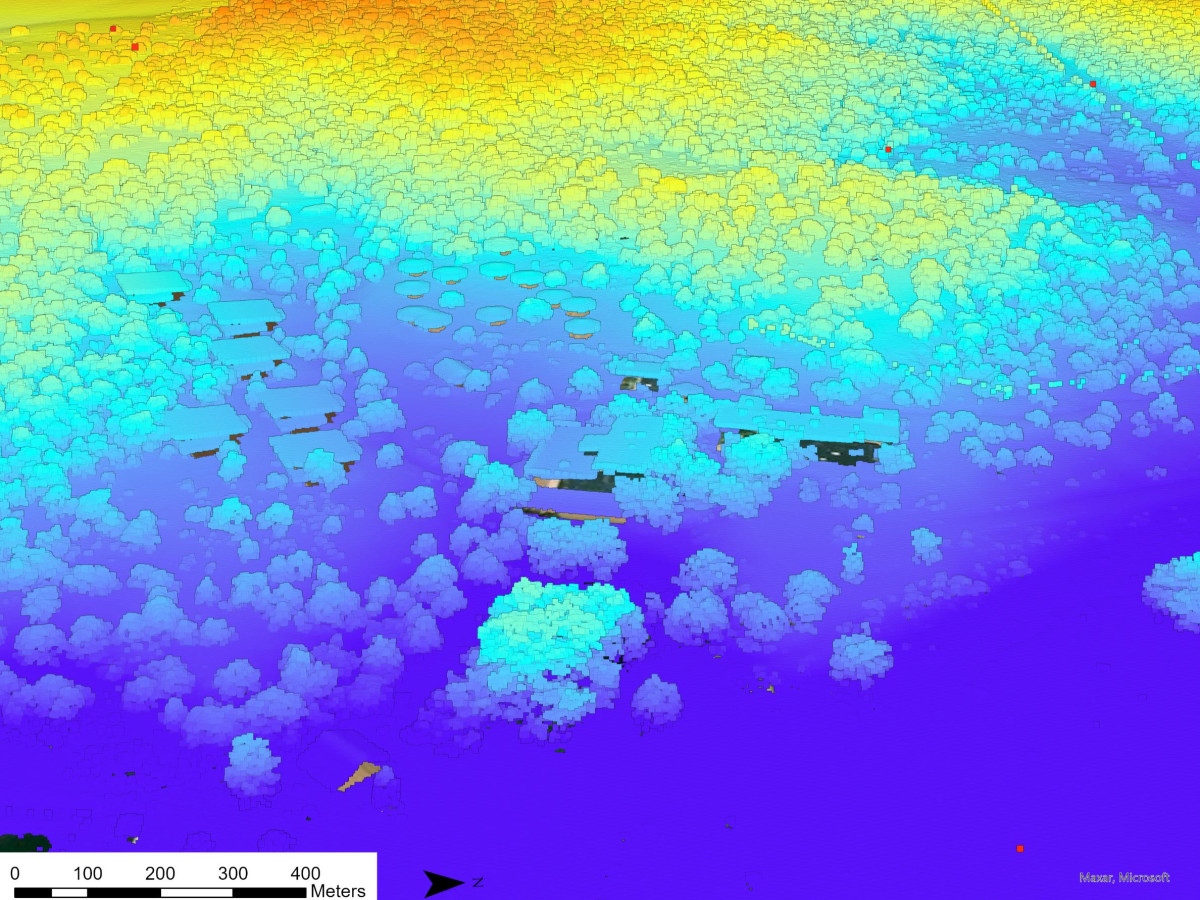
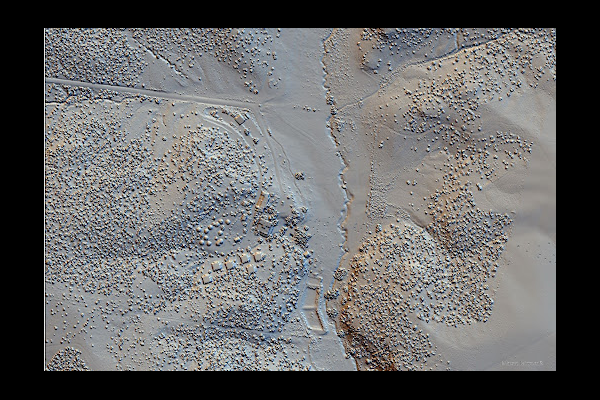
Using LiDAR technology, Research Institute team and Research Institute Associates are analyzing data related to previously identified community centers, testing methods for organizing these data for future analyses, and standardizing methods for documenting and identifying new landscape features.
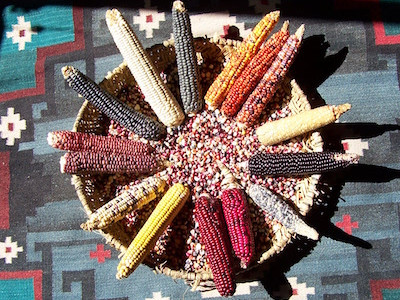
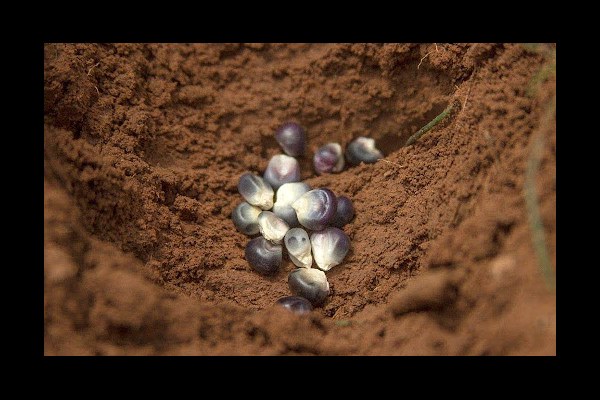
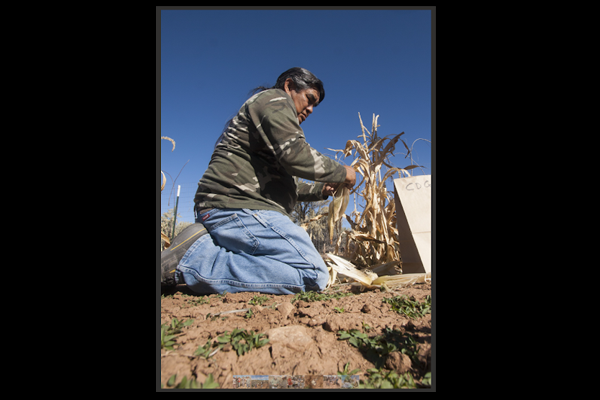
A collaboration between Crow Canyon and the Hopi Cultural Preservation Office to understand ancient maize (corn) agriculture in the Mesa Verde region through documenting traditional ecological knowledge, experimental gardens, and genetic analysis.
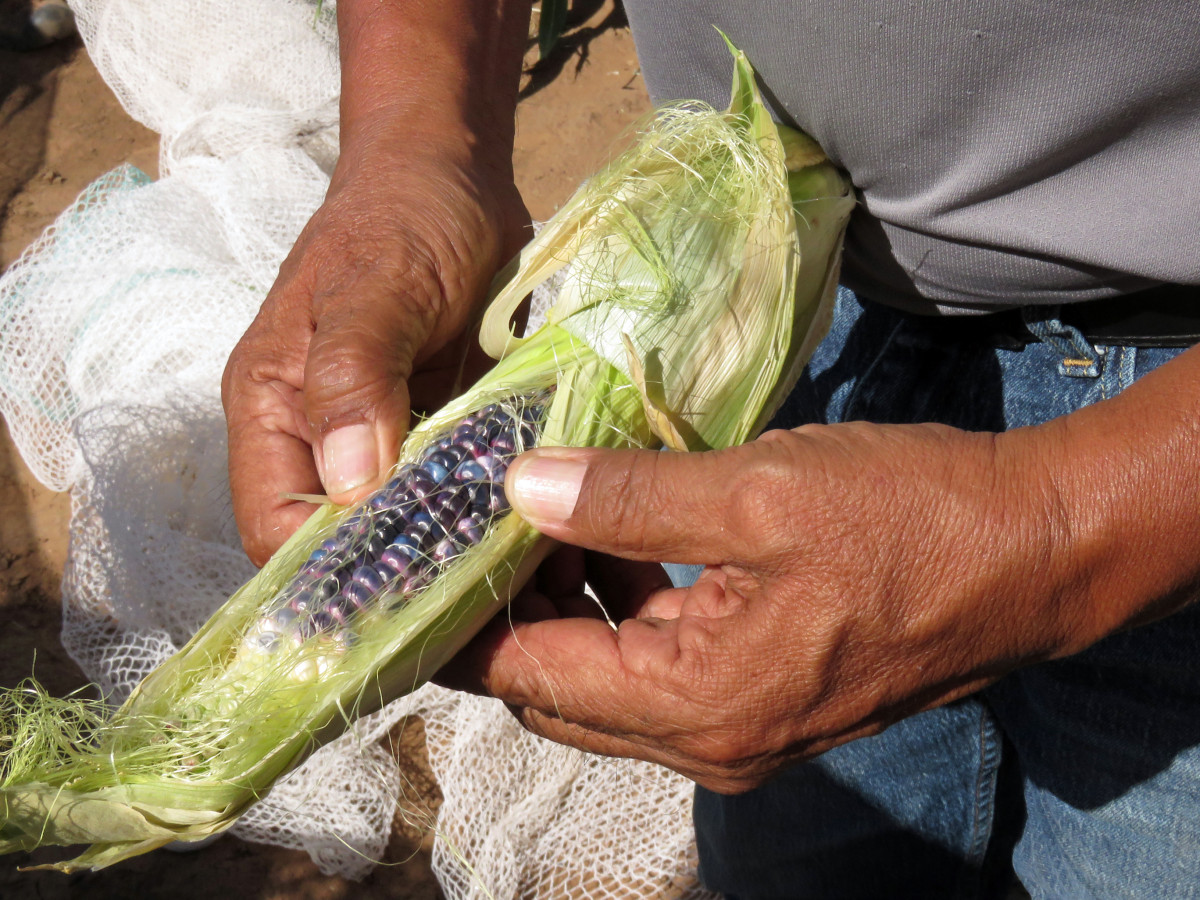
The Research Institute at Crow Canyon and the Hopi Cultural Preservation Office built the first-ever comprehensive, publicly-accessible database of curated Ancestral Pueblo maize.
RESEARCH INSTITUTE BLOG POSTS
Stay up-to-date with blog posts covering a variety of topics and activities
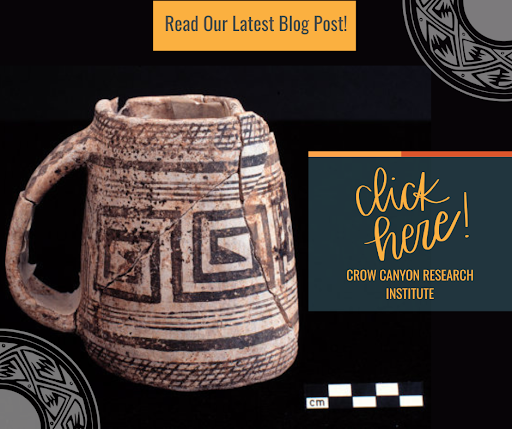
Explore thoughtful insights shared by Crow Canyon’s Research Institute team members in their blog posts. These writings reflect a commitment to understanding and honoring Indigenous histories, cultures, and perspectives. The team emphasizes collaboration with descendant communities, highlighting shared stewardship and respect for cultural heritage. Through these posts, readers can engage with important discussions on archaeology, cultural preservation, and the connections between the past and present. Whether you’re interested in the complexities of heritage or the voices of those whose traditions endure, these posts offer a space for reflection, learning, and mutual respect.
OUTREACH, DISSEMINATION, & ENGAGEMENT
Creating Relevant Impact in the Field of Archaeology
Crow Canyon’s Research Institute is dedicated to advancing archaeological research and sharing findings with diverse audiences through various dissemination efforts. Their approach includes:
-
- Presentations & Conferences: Researchers actively participate in academic and public conferences, where they present research results.
- Posters & Publications: Scholars contribute to research through detailed poster presentations and peer-reviewed publications, ensuring that information is documented and accessible to many communities.
- Workshops, Projects, & Programs: Crow Canyon fosters collaboration through workshops, projects, and programs, working with Indigenous communities, educators, and policy makers to promote a deeper understanding of archaeological research.
See Presentations, Publications, Workshops, Projects, and Programs We Have Done Recently
To learn more about our recent work, please click on the button below:
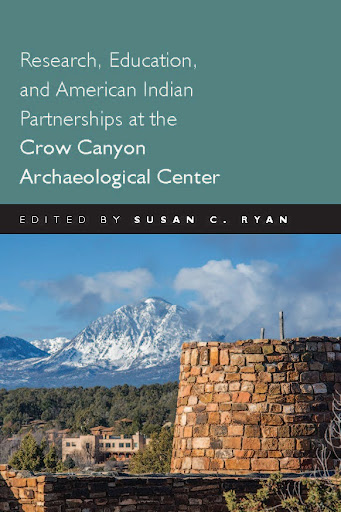
Research, Education, and American Indian Partnerships at the Crow Canyon Archaeological Center, edited by Susan C. Ryan
This “40th Anniversary Volume” celebrates Crow Canyon’s past, present, and future by providing a backdrop to its humble beginnings and highlighting key mission accomplishments since 1983. Future directions presented within will guide southwestern research, collaborative partnerships, and public archaeology beyond current practices and provide meaningful strategic directions.
You can now read directly from your web browser or download it in PDF or EPUB (Kindle, iPad) form.
MEET THE TEAM
Research Institute Staff
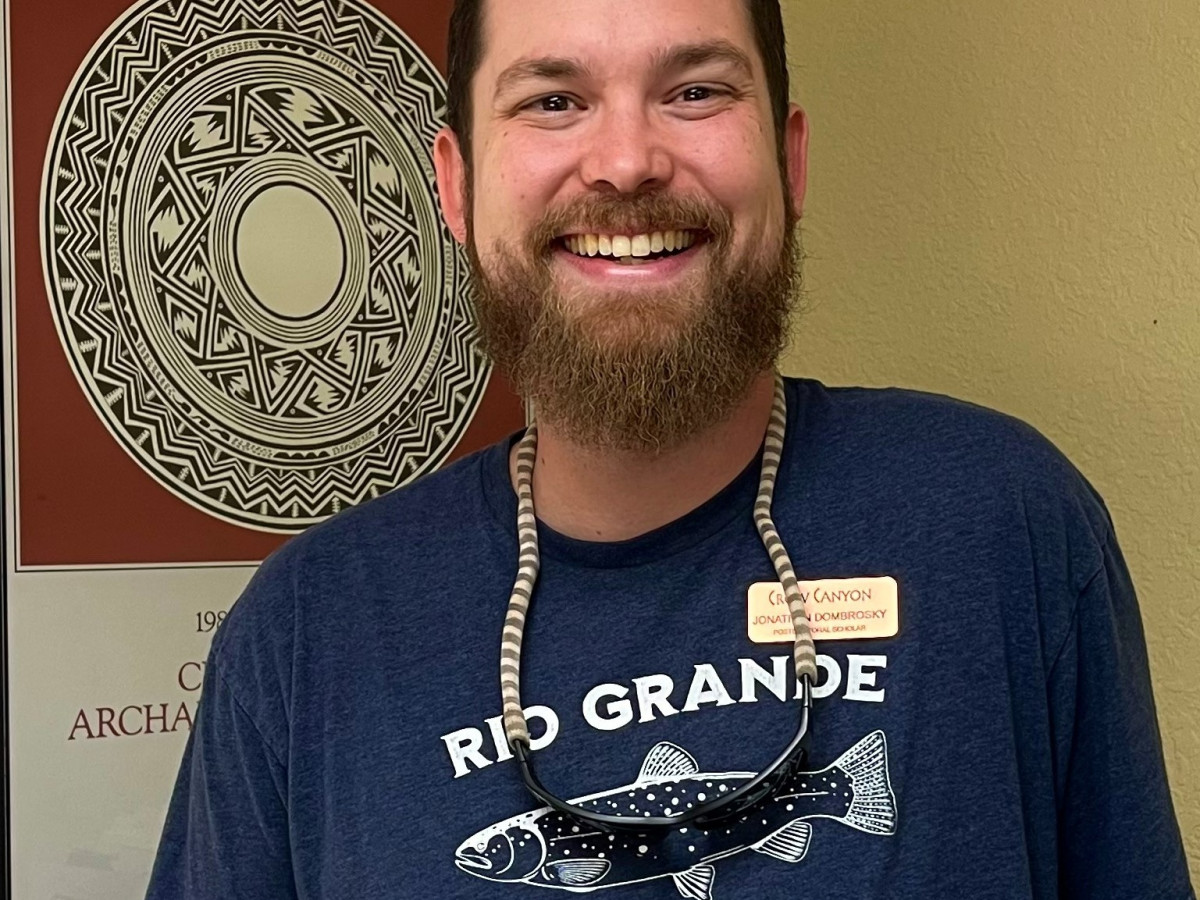
Jonathan Dombrosky
Environmental Archaeologist; 2021–2023 Postdoctoral Scholar; 2015 Field Intern
Jon is a zooarchaeologist broadly interested in human-environment interactions from the past to the present.

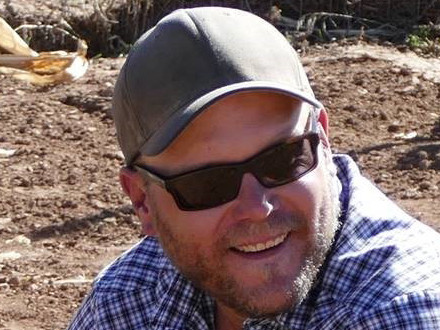
Grant Coffey
Research Database Manager
Grant is interested in how communities organize, evolve, and interact with each other.
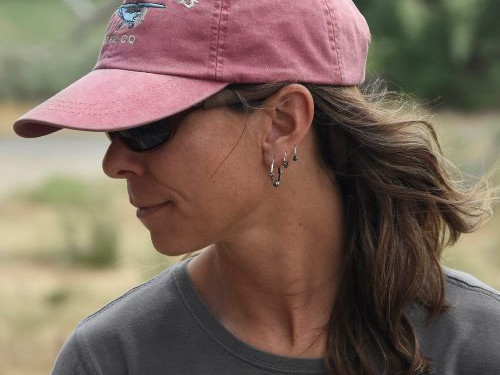
Susan Ryan
Executive Vice President of the Research Institute
Susan is a scientist who researches the built environment and community formation in the ancient Southwest.

Katie Williams
2024-2025 Postdoctoral Scholar
Katie is a postdoctoral geospatial scholar for the Research Institute at Crow Canyon and is very excited to apply her knowledge of geographic information systems to a variety of archaeological research questions.
LiDAR Project Research Associates
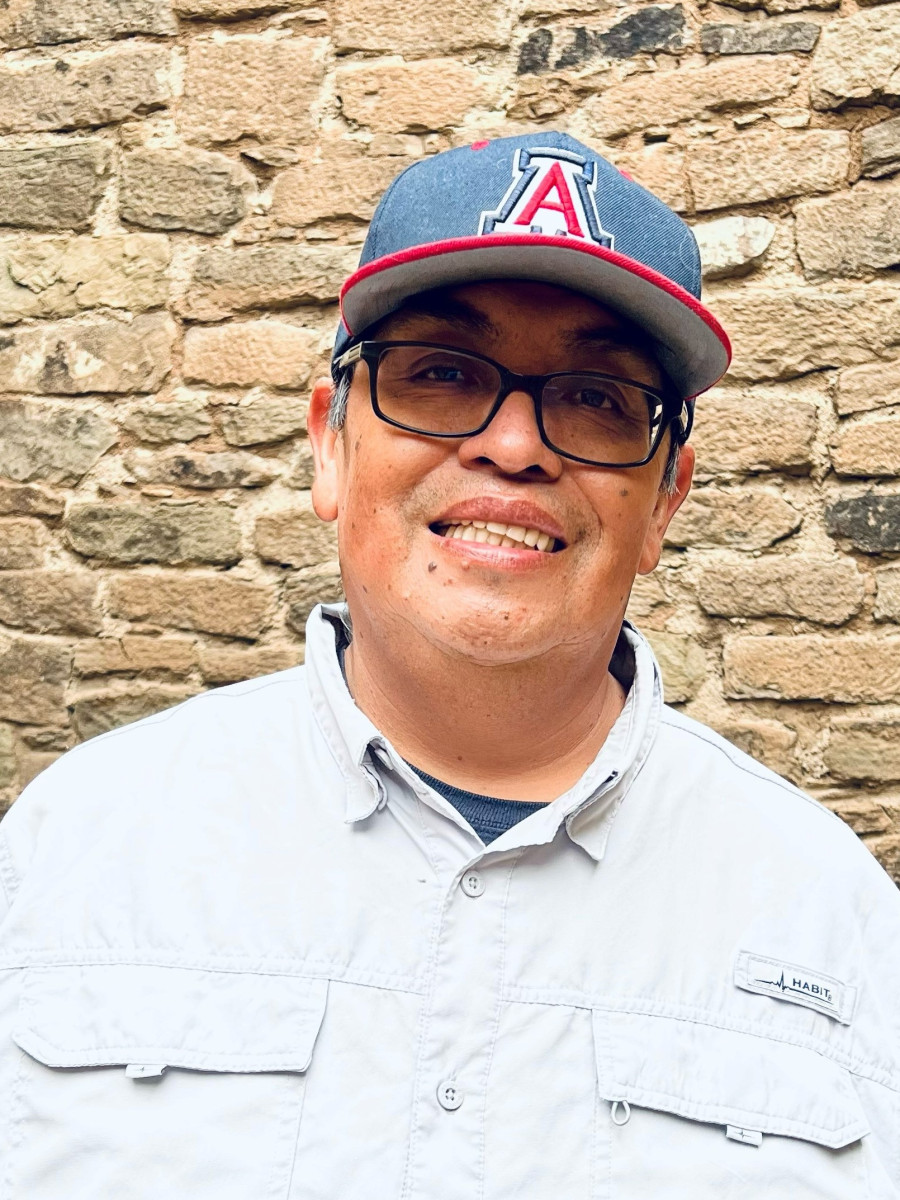
Stewart Bruce Koyiyumptewa
Pueblo Advisory Group; Research Associate-LiDAR Group
Stewart is from the Hopi Village of Hotevilla on Third Mesa and serves as the director of the Hopi Cultural Preservation Office.
Sean Field
Research Institute-LiDAR Group
Sean is a computational archaeologist who integrates remote sensing, data science, and machine learning techniques to understand human settlement and climate dynamics in past and contemporary contexts.
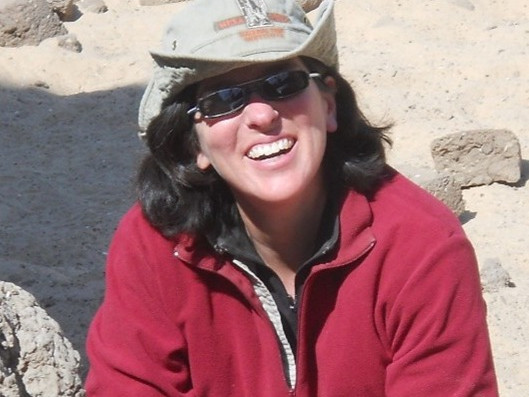
Donna Glowacki
Research Associate-LiDAR Group; 2003 Lister Fellow; 1994 Field Intern
Donna is an anthropological archaeologist studying transformation, disruption, and resiliency in Southwestern societies.
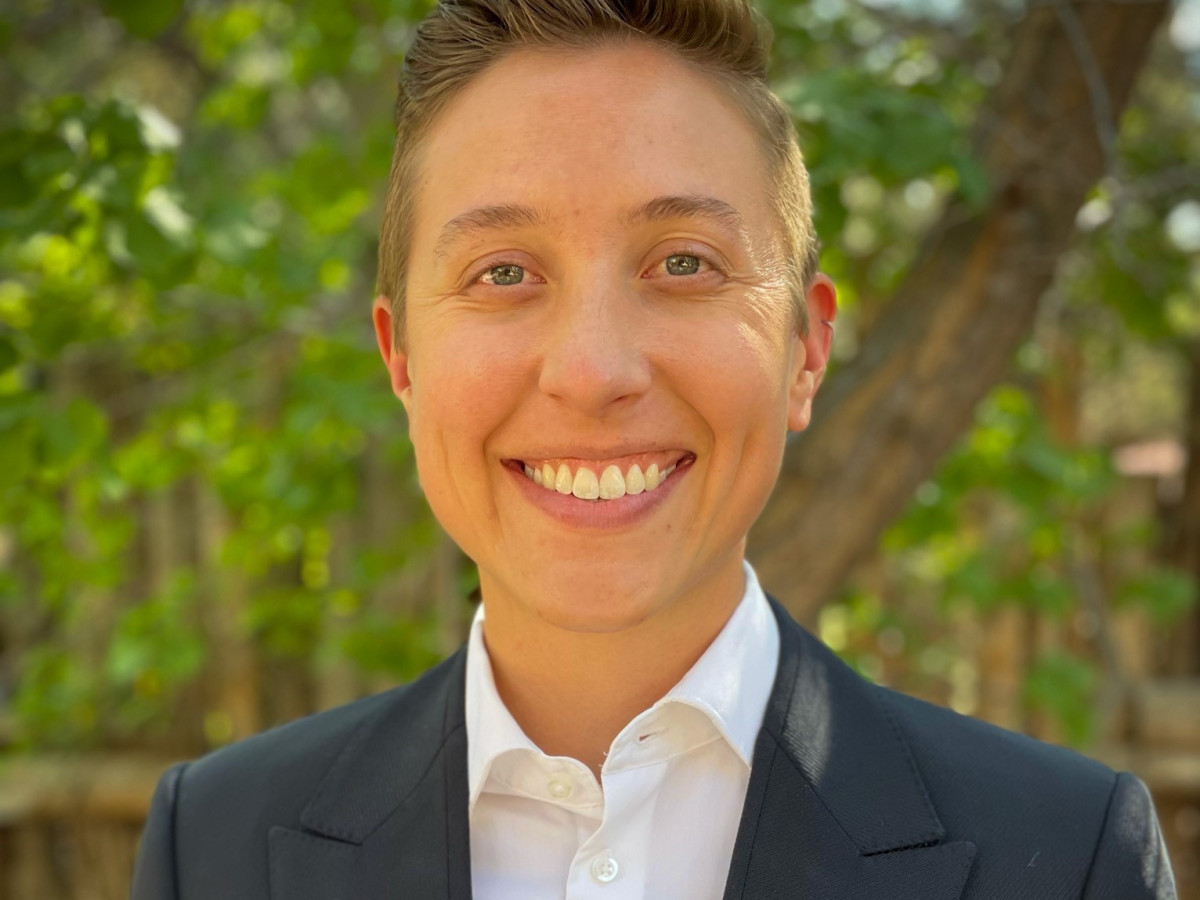
Kelsey Reese
Research Associate-LiDAR Group; 2013 Field Intern
Kelsey is a computational social scientist with extensive experience utilizing large-scale geospatial analyses with archaeological datasets.
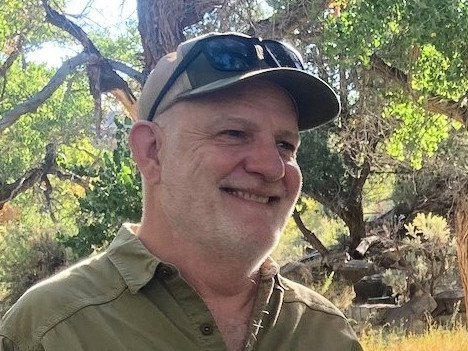
Kenny Wintch
Research Associate-LiDAR Group; Bears Ears Partnership
Kenny Wintch is a Preservation Archaeologist working for Bears Ears Partnership (or BEP, formerly known as Friends of Cedar Mesa).

Fermin Lopez
Research Associate-LiDAR Group
Fermin is a tribal member from the Pueblo of Pojoaque and currently sits as the Historic Preservation Officer for the Pueblo of Pojoaque Tribal Historic Preservation Office.

Daniel Hampson
Archaeology Laboratory Assistant; Research Associate-LiDAR Group
Daniel is a Ph.D. student in Anthropology at Binghamton University. When not analyzing artifacts, he studies Landscape Archaeology and LiDAR, focusing on ancient roads, racetracks, and other community architecture in Chaco and Mesa Verde.

Amy Thompson
Research Associate-LiDAR Group
Dr. Thompson is an Assistant Professor in the Department of Geography and the Environment at the University of Texas at Austin.

Kurt F. Anschuetz
Research Associate-LiDAR Group
Kurt is a cultural anthropologist and archaeologist based in Albuquerque.

Logan Dean
Research Associate-LiDAR Group
Logan is an archaeologist specializing in landscape archaeology, spatial data, LiDAR, site distribution, landscape manipulation and use, local histories, Westward expansion.

Joel H. Nicholas
Research Associate-LiDAR Group
Joel is the Program Manager for the Hopi Cultural Preservation Office.

Winston Hurst
Research Associate-LiDAR Group
Winston has been actively engaged in the archaeology of the Four Corners region since 1973.